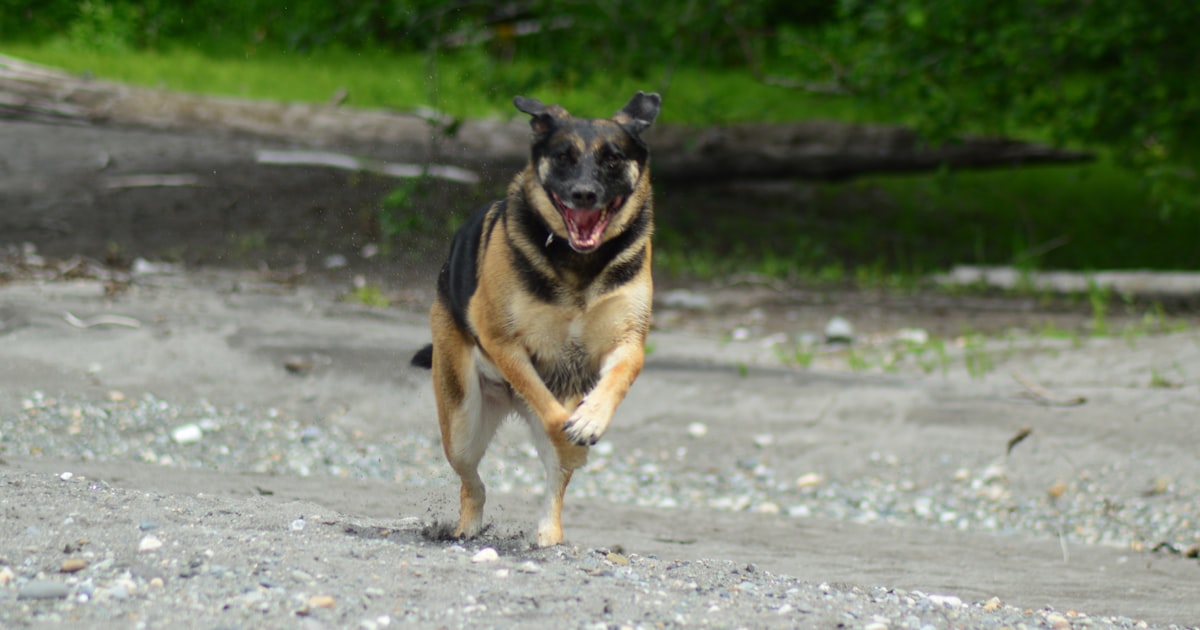
Large dogs need serious exercise — a 30-minute walk around the block barely scratches the surface for a high-energy breed like a German Shepherd, Labrador, or Belgian Malinois. But life doesn’t always cooperate. Brutal summer heat, freezing winter storms, your own packed schedule, and apartment living can all make it impossible to give your large dog the hours of exercise they need to stay healthy, calm, and out of trouble.
A dog treadmill solves the exercise gap. It lets your large dog walk, trot, or run at their own pace regardless of weather, time of day, or your availability. Dog treadmills are also invaluable for rehabilitation after surgery, conditioning for show dogs and working dogs, and managing weight in breeds prone to obesity. Veterinarians and canine physical therapists regularly recommend treadmill exercise for large breeds with controlled exercise needs.
The key for large breeds is finding a treadmill with a running surface long and wide enough for their full stride, a motor powerful enough to maintain speed under heavy loads, and side panels that keep them safely on the belt. This guide covers the four best dog treadmills built for large breed exercise.
Table of Contents
Quick Picks: Best Dog Treadmills for Large Dogs
A note on this category: dog treadmills are niche, and the review counts reflect that. The three picks below have roughly 90, 46 and 261 ratings respectively — nothing like the thousands behind a popular dog bed. We have verified availability, price and specifications directly, but there is far less long-term owner data here than in other guides on this site. Treat these as the best-evidenced options in a thin market, not as safe consensus buys.
| Treadmill | Best For | Key Feature | Price |
|---|---|---|---|
| PawPaw’s Slatmill | Best Overall | Non-electric, brake, steel frame | $620–$850 Check Price → |
| BowWowTread | Best for Conditioning | Adjustable incline + speedometer | $690–$940 Check Price → |
| Lifepro PawRunner | Best Motorized | Remote speed, incline, 130 lb | $350–$475 Check Price → |
Buying Guide: What to Look for in a Large Dog Treadmill
Running Surface Length and Width
This is the most critical specification for large dogs. Your dog needs to take a full stride without running off the front or back of the belt. For large breeds, look for a running surface at least 60 inches long (71+ inches is ideal) and 16-18 inches wide. Measure your dog’s stride by watching them trot naturally and noting the distance between their front paw prints — the treadmill belt should be at least 20% longer than this stride. A surface that’s too short forces an unnatural gait that can cause joint stress.
Weight Capacity and Motor Power
For motorized treadmills, the motor must maintain consistent belt speed under the dynamic load of a heavy dog running. Look for at least a 2.0 HP motor for dogs over 70 lbs. Underpowered motors bog down when a large dog pushes off, creating an inconsistent belt speed that makes the treadmill unpredictable and scary. The weight capacity should exceed your dog’s weight by at least 30% to account for the impact forces of running. A 90-pound dog running generates significantly more force than 90 pounds of static weight.
Safety Features
Large dogs on treadmills need safety protection: side panels or rails that prevent walking off the edge, an emergency stop button that’s easily accessible, and a gradual start feature that ramps up speed rather than lurching into motion. Some treadmills include a short-leash attachment that prevents your dog from falling off the back. Speed range should start very slow (0.5 mph) for training and ramp up to at least 7-8 mph for running exercise.
Motorized vs. Non-Motorized (Slatmill)
Motorized treadmills control the pace electronically — you set the speed and the dog matches it. Non-motorized slatmills use angled slats instead of a belt, and the dog’s own movement drives the surface. Slatmills have significant advantages: the dog sets their own pace naturally (reducing overexertion risk), they require no electricity, they handle heavier dogs (often 300+ lb capacity), and they’re mechanically simpler with less to break. The trade-off is price (quality slatmills are expensive) and that the dog must be self-motivated to exercise.
Noise Level and Placement
A loud treadmill in an apartment can be a noise issue for neighbors and can scare some dogs. Motorized treadmills vary significantly in noise — belt-driven systems tend to be quieter than chain-driven systems. Slatmills produce a rhythmic clacking sound from the slats. Place the treadmill on a rubber mat to dampen vibration and noise transmission. If your large dog also needs mental stimulation alongside physical exercise, pair treadmill sessions with puzzle feeders and training for a well-rounded nutrition and exercise plan.
PawPaw’s Dog Slatmill — Best Overall

This is a slatmill, not a motorised treadmill, and for a large dog that distinction matters more than any other specification. There is no motor pulling the belt: the dog drives the surface with its own stride and stops whenever it chooses. A 90-pound dog cannot be dragged by a machine that is not powered.
The frame is carbon steel with a protective coating, and it includes a brake — the control you actually want, since the failure mode on a self-driven mill is a dog building more speed than it can settle out of.
At roughly 90 ratings averaging 4.4 stars it has the strongest owner record of any dog treadmill we could verify as currently available. That is a low bar in this category, and we would rather say so than dress it up.
Specs
- Type: Non-electric slatmill — dog-driven
- Frame: Coated carbon steel
- Brake: Included
- Suits: Medium and large dogs
- Rating: 4.4 stars, ~90 ratings
Pros
- No motor — the dog sets and stops the pace
- Brake included for controlled slow-downs
- Carbon steel frame rated for large dogs
- Best-evidenced option currently available in the category
Cons
- ~90 ratings is a thin evidence base for a $700 purchase
- Slatmills need training time — most dogs do not step on willingly
- Heavy and not realistically portable once assembled
Bottom line: The safest mechanism for a large dog and the most reviewed option that is actually in stock. Budget training time, not just money.
BowWowTread with Incline — Best for Conditioning

Also non-electric and dog-driven, but this one adds an adjustable incline and a speedometer. Incline is the useful feature for conditioning work — it raises effort without raising speed, which is the safer way to load a large dog’s joints than simply running it faster.
The frame is 3mm high-carbon steel with a silicone running surface and an adjustable safety rope, plus brakes. The speedometer matters more than it sounds: on a self-driven mill you otherwise have no objective read on how hard the dog is working.
The trade-off is evidence. It carries roughly 46 ratings at 4.1 stars — fewer, and a lower average, than the PawPaw’s above. Choose it for the incline specifically, not because it is the safer bet.
Specs
- Type: Non-electric, dog-driven
- Incline: Adjustable
- Instrumentation: Speedometer
- Frame: 3mm high-carbon steel, silicone track
- Safety: Brakes and adjustable safety rope
- Rating: 4.1 stars, ~46 ratings
Pros
- Adjustable incline for conditioning without added speed
- Speedometer gives an objective effort reading
- Heavy-gauge steel frame with silicone surface
- Brakes and safety rope included
Cons
- Only ~46 ratings, and a lower average than the PawPaw’s
- Most expensive option here
- Stock has been intermittent — check before planning around it
Bottom line: Worth the premium only if you specifically want incline work. For general exercise the PawPaw’s is the better-evidenced buy.
Lifepro PawRunner — Best Motorized

The two picks above are dog-driven. This one is not — the PawRunner has a motor, and the belt moves at whatever speed you set from the remote whether or not your dog keeps pace. That is the whole trade-off in this guide, so it is worth being blunt about it.
What you gain: a repeatable, measurable pace. For post-surgical rehab or conditioning work where a vet has specified a duration and speed, a slatmill cannot give you that — the dog sets the pace, so the session is never the same twice. The PawRunner adds a manual incline, an LCD readout and remote speed control, which is what makes structured sessions possible.
What you give up: the inherent safety of a belt that stops when the dog does. Lifepro fits a safety key and an emergency stop, and the motor is built to run quietly because dogs react badly to vibration and noise — but a motorized treadmill should never be used with a dog unattended, and it needs more careful introduction than a slatmill.
It is marketed for “small and medium dogs”, which undersells it: the listing rates it to 130 pounds, covering most large breeds. Measure your dog’s stride length against the belt before buying — a tall dog can outgrow the running surface well before it outweighs the rating.
At roughly 261 ratings averaging 4.2 stars it has by far the deepest owner record of any dog treadmill we could verify as available — around three times either pick above.
Specs
- Type: Motorized, remote-controlled
- Capacity: Up to 130 lbs
- Incline: Manual
- Display: LCD
- Safety: Safety key and emergency stop
- Rating: 4.2 stars, ~261 ratings
Pros
- Deepest review base in the category by roughly 3x
- Repeatable set pace — the thing a slatmill cannot do
- Manual incline and LCD readout for structured sessions
- Safety key and emergency stop fitted
- Rated to 130 lbs despite “small and medium” marketing
Cons
- The belt moves whether the dog keeps up or not — never leave a dog unattended on it
- Needs a more careful introduction than a dog-driven mill
- Belt length may limit a tall dog before the weight rating does
- Stock has been limited
Bottom Line: Choose the PawRunner when you need a prescribed, repeatable pace — rehab or conditioning. For general exercise, the dog-driven slatmills above are the safer mechanism.
Side-by-Side Comparison: Best Dog Treadmills for Large Dogs
| Feature | PawPaw’s Slatmill | BowWowTread | Lifepro PawRunner |
|---|---|---|---|
| Best For | Overall | Conditioning | Motorized |
| Surface | Slat belt | Silicone track | Powered belt |
| Weight Cap. | Medium & large | Medium & large | Up to 130 lbs |
| Type | Non-electric | Non-electric | Motorized |
| Speed | Dog-set | Dog-set + speedo | Remote-set |
| Foldable | No | No | Not stated |
| Price | $620–$850 | $690–$940 | $350–$475 |
Frequently Asked Questions
Can I use a human treadmill for my large dog?
While some owners use human treadmills for dogs, it’s not ideal. Human treadmills have higher deck heights (intimidating), shorter running surfaces (dogs overstride), no side panels (dogs walk off the edge), and controls within the dog’s reach. Dog-specific treadmills address all of these issues with low-profile designs, longer surfaces, side containment, and remote controls. If you must use a human treadmill temporarily, never leave your dog unsupervised and always use a short leash for safety.
How do I train my large dog to use a treadmill?
Start with the treadmill off. Let your dog sniff and explore it with treats placed on the surface. Once comfortable standing on it, turn it on at the slowest speed (0.5 mph) while feeding high-value treats continuously. Keep initial sessions under 2 minutes and end on a positive note. Gradually increase speed and duration over 2-3 weeks. Most large dogs become comfortable within 5-10 training sessions. Never force a panicking dog to stay on the treadmill — this creates a lasting negative association that’s very difficult to reverse.
How long should a large dog use a treadmill per session?
Start with 5-10 minutes and gradually build to 20-30 minutes over several weeks. Healthy adult large dogs can work up to 30-45 minute sessions, but this should be a gradual process. Watch for signs of fatigue: heavy panting, lagging pace, tongue hanging very low, or stumbling. Dogs in rehabilitation should follow their veterinarian’s specific protocol. Always provide fresh water immediately after treadmill sessions. Two shorter sessions per day are often better than one long session for both fitness and mental engagement.
Are dog treadmills safe?
Yes, when used properly. Dog treadmills designed for canine use include safety features that human treadmills lack: side panels, gradual start, low-profile design, and external controls. The key safety rules are: always supervise treadmill sessions, start slow and build gradually, never exceed your dog’s fitness level, ensure proper hydration, and stop immediately if your dog shows signs of distress. Dogs with heart conditions, joint problems, or respiratory issues should only use treadmills under veterinary guidance.
Motorized vs. slatmill: which is better for large dogs?
Both have advantages. Motorized treadmills control the pace precisely, which is better for structured exercise programs and rehabilitation. They work well for dogs who won’t self-motivate. Slatmills let the dog control the pace naturally, eliminating overexertion risk and handling much heavier dogs (330+ lbs vs. 180 lbs). Slatmills are preferred by working dog trainers and for high-drive breeds. Motorized treadmills are generally better for beginners and dogs who need guided exercise. Consider your dog’s temperament and exercise goals when choosing.
Does a treadmill replace outdoor walks for large dogs?
No. Treadmills provide excellent physical exercise but lack the mental stimulation that outdoor walks provide — sniffing, exploring, socializing, and experiencing new environments are essential for a large dog’s mental health. Use treadmills as a supplement to outdoor exercise, not a replacement. They’re invaluable on days when outdoor exercise isn’t possible (extreme weather, illness, time constraints), for rehabilitation exercise, and for additional conditioning beyond daily walks. A balanced exercise plan includes both treadmill time and outdoor exploration.
Final Verdict: Which Dog Treadmill Is Right for Your Large Dog?
The right treadmill depends on your dog’s size, your space, and your exercise goals:
A treadmill is just one component of a complete fitness plan for your large dog. Combine treadmill exercise with quality large breed nutrition, joint supplements for joint protection during exercise, and regular outdoor walks for mental stimulation.
Affiliate Disclosure: Large Dog Lab is a participant in the Amazon Services LLC Associates Program, an affiliate advertising program designed to provide a means for sites to earn advertising fees by advertising and linking to Amazon.com. When you purchase through our links, we may earn a small commission at no additional cost to you. This helps us continue providing free, in-depth content for large dog owners. We only recommend products we believe in.
Related Guides
More large-dog guides from Large Dog Lab:
- Best Dog Joint Supplements for Large Breeds (Glucosamine & Beyond) — glucosamine and what the evidence does and does not support
- Best Dog Ramps for Large Dogs — getting a big dog into the car without lifting them
- Best No-Pull Harness for Large Dogs That Actually Works — stopping the pulling without choking a strong dog