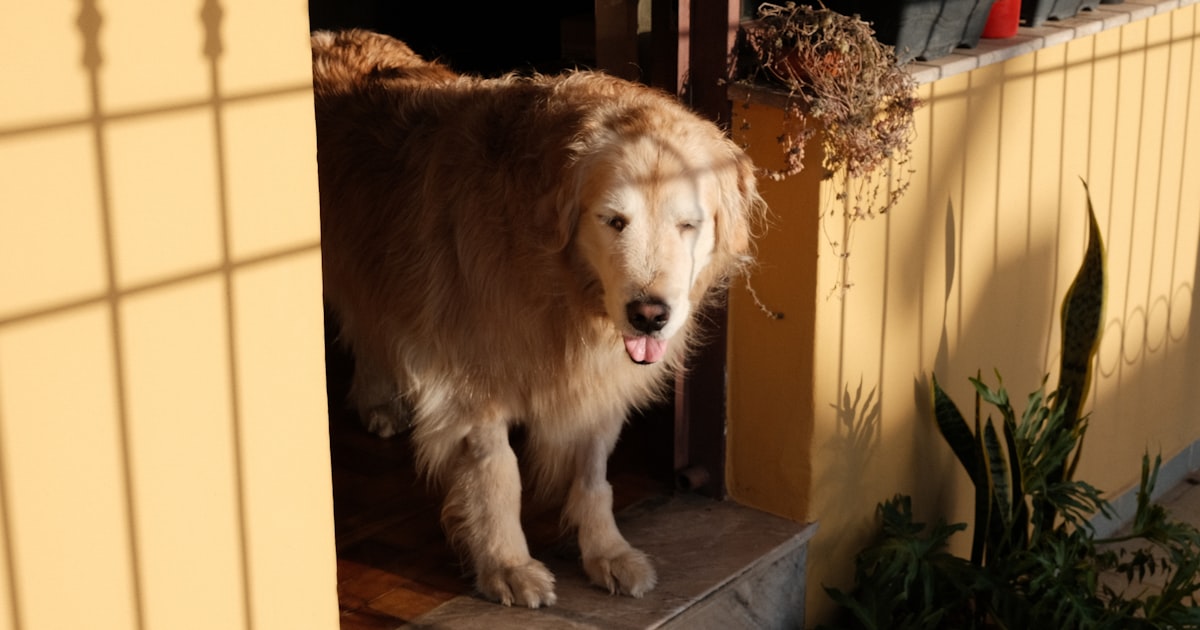
Large dogs get old early. A Chihuahua is middle-aged at seven. A Great Dane at seven is a senior citizen, and a Labrador is not far behind. If you have noticed your dog taking a moment to stand up, hesitating at the car boot, or sleeping harder than they used to, you are not imagining it — and it is probably happening sooner than you expected.
This guide covers what actually changes in an ageing large dog, which adjustments are worth making, and which popular purchases are not worth your money. It is not veterinary advice: anything that looks like pain, sudden change, or a dog who is struggling belongs in front of a vet, not a shopping cart.
When does a large dog become “senior”?
Size drives ageing more than almost anything else. The rough convention most vets use:
| Adult weight | Generally considered senior from |
|---|---|
| Under 20 lbs | 10–12 years |
| 20–50 lbs | 8–10 years |
| 50–90 lbs | 7–8 years |
| Over 90 lbs | 6–7 years |
These are conventions, not biology with a switch in it. An active 8-year-old Labrador may be in better shape than a sedentary 5-year-old. Use the number as a prompt to start paying closer attention, not as a diagnosis.
The practical implication for large-breed owners is simply this: you should be thinking about mobility and joint comfort years earlier than owners of small dogs. By the time the signs are obvious, the changes have usually been building for a while.
What actually changes
Getting up is harder than staying up
The first sign is rarely limping. It is hesitation — a pause before standing, a shifted weight, choosing the rug instead of the tiles. Large dogs carry a lot of load through their hips and elbows, and the transition between lying and standing is where that load peaks.
Sleep gets worse before it gets shorter
Older dogs often sleep more hours but less well, shifting position repeatedly to stay comfortable. A dog who used to flop and stay put and now rearranges themselves every twenty minutes is telling you something about their surface.
Weight matters more than it used to
Metabolism slows while activity drops, so weight creeps on exactly when joints can least afford it. Every extra pound on a large dog is disproportionately expensive for their hips.
Traction becomes a real problem
Hard floors that were never an issue become one. A dog who slips once and scrambles will often start avoiding that room entirely, which reduces their movement further.
Confidence drops
Some older dogs become more reactive to noise and disruption, particularly if hearing or sight is fading. It can read as stubbornness when it is really uncertainty.
What genuinely helps
1. Fix the sleeping surface first
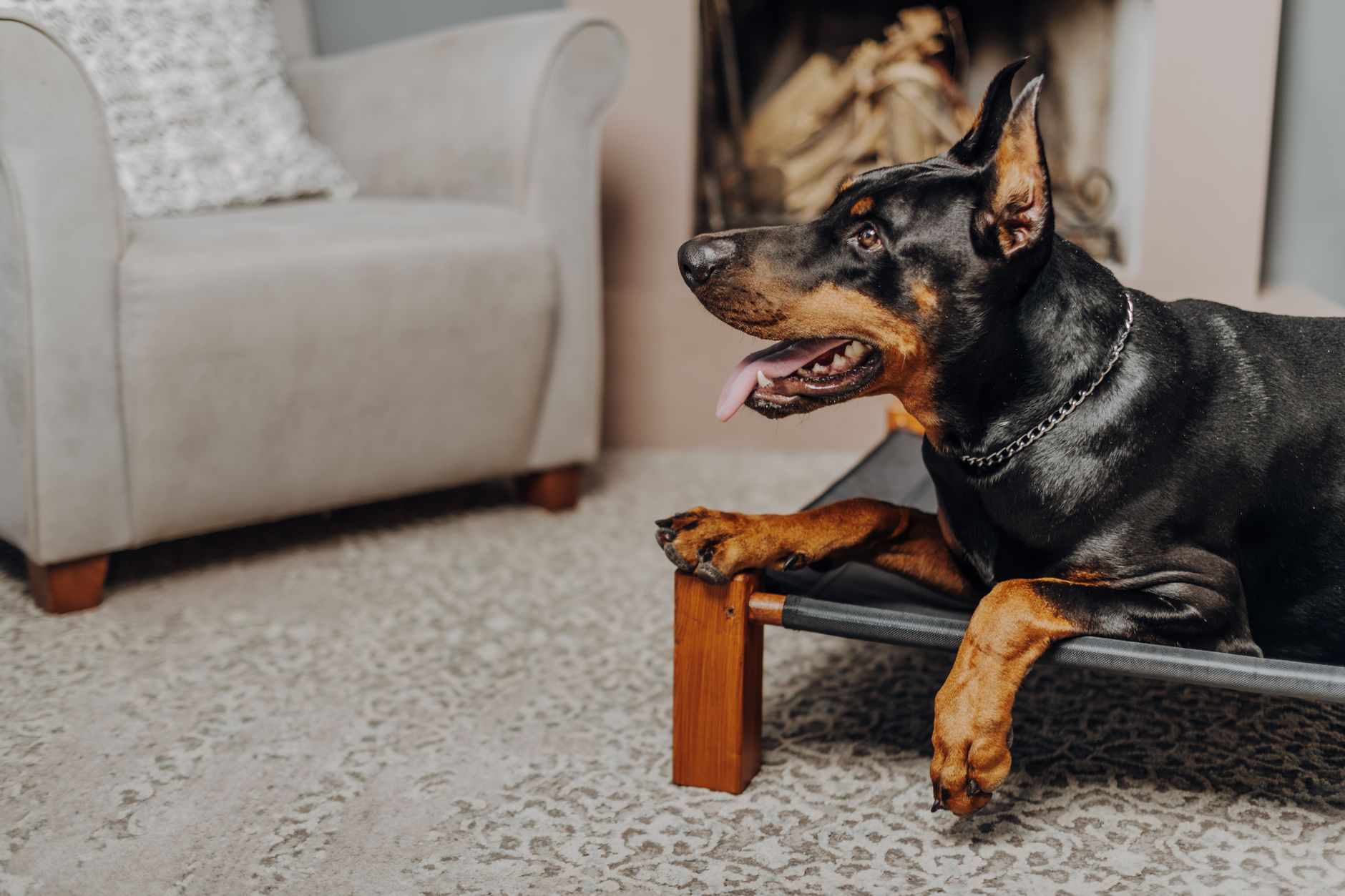
This is the single change with the widest effect, because a large dog spends a huge share of the day lying down. What matters for an ageing large dog is foam depth and density, not plushness — a thick soft bed that bottoms out under 90 lbs is worse than a firmer one that does not.
If the bed compresses to the floor under your dog’s hips, it is doing nothing at the exact moment it is needed. We cover depth, density and sizing in detail in our guide to orthopedic dog beds for large dogs.
2. Remove the jumps
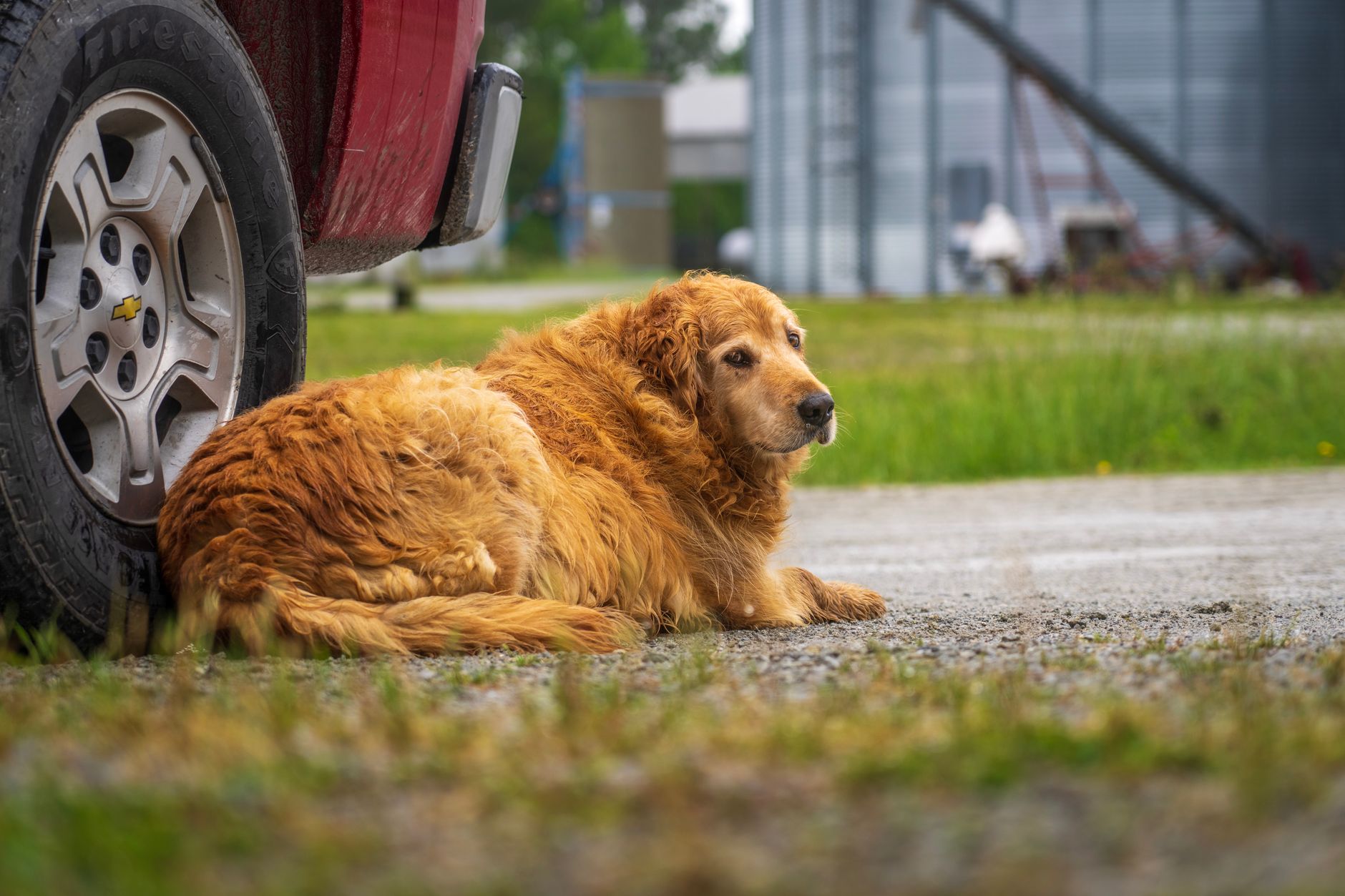
Jumping into a car boot or off a high sofa concentrates enormous force through the front legs and shoulders on landing. Removing those repeated impacts is one of the easier wins available, and a ramp is far less disruptive than most owners expect. See our guide to dog ramps for large dogs for the height and gradient details that actually matter.
3. Deal with slippery floors
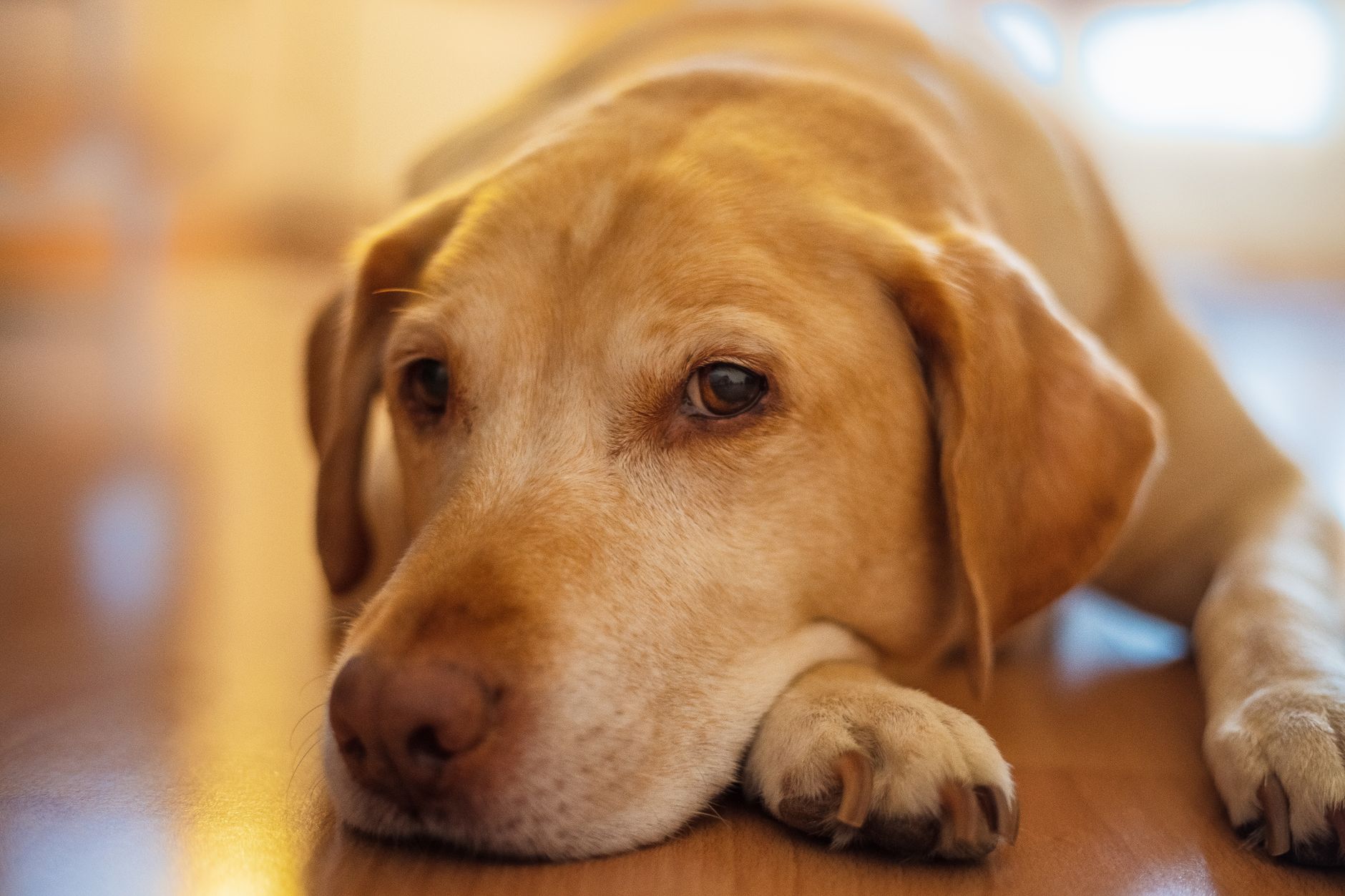
Runners and rugs along the routes your dog uses most are the cheapest fix available. Where flooring cannot be changed — or where grip outdoors in winter is the issue — dog boots can help, though most dogs need a patient introduction before they will tolerate them.
4. Keep them moving, at their pace

Shorter, more frequent walks generally suit an older large dog better than one long outing. When range drops far enough that the dog is still keen to come but cannot manage the distance, a dog stroller rated for large breeds lets them keep the outing without paying for it the next day. Check the capacity rating rather than the product name — a great many “large dog” strollers top out around 60 lbs.
5. Adjust feeding before weight becomes the problem
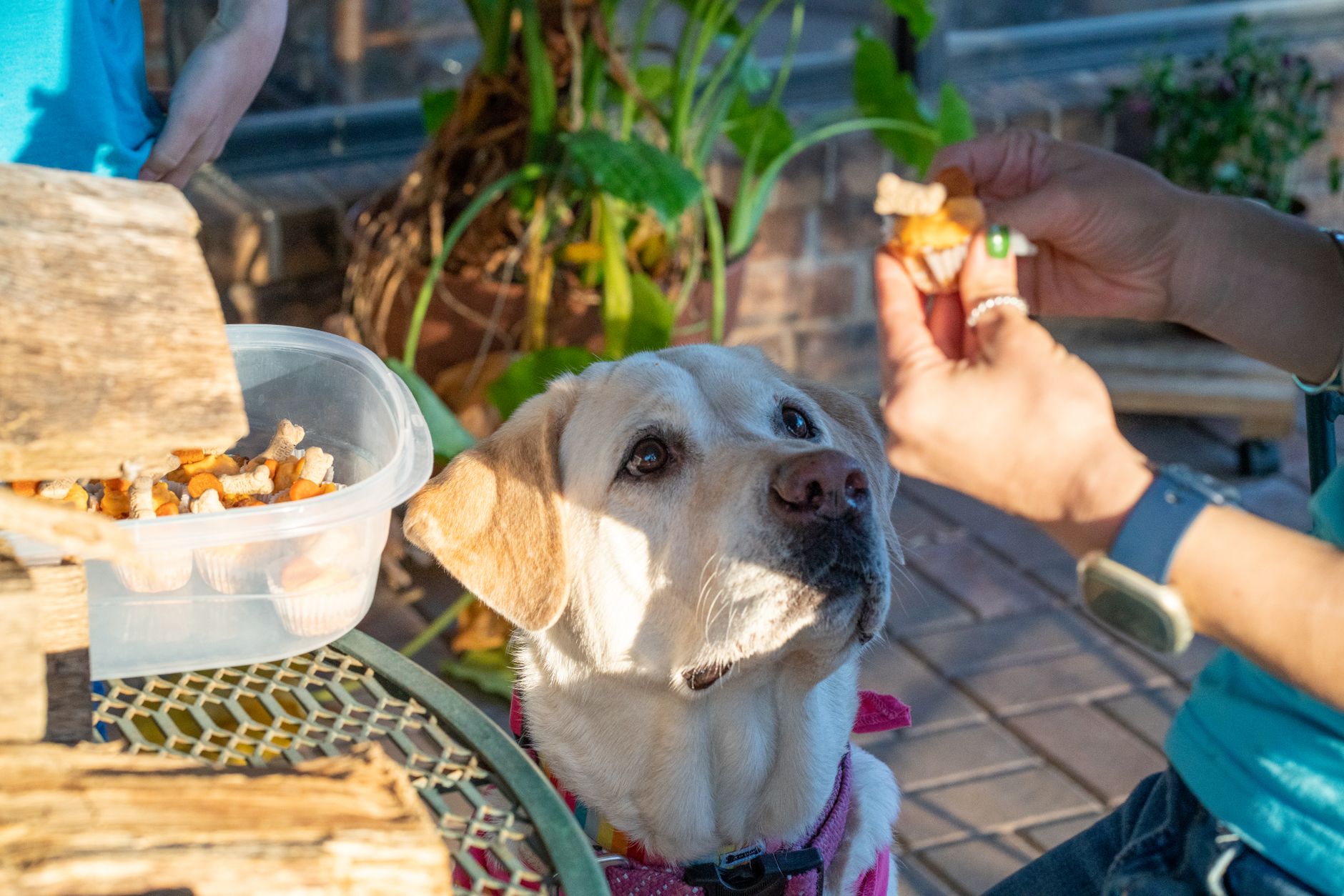
Senior large-breed formulas typically run lower in calories and higher in protein per calorie, which supports muscle retention while making weight easier to manage. Our large breed dog food guide covers how to read the protein and calorie figures rather than the marketing on the front of the bag.
6. Joint supplements: what to expect
Glucosamine and chondroitin supplements are widely used for ageing dogs and are generally considered low-risk, but the clinical evidence for how much they help is mixed — and they are supplements, not medication. They are not a substitute for veterinary treatment of arthritis. If your dog is in pain, the conversation to have is with your vet, who has options a supplement cannot match.
If you and your vet decide a supplement is worth trying, our joint supplement guide covers what the labels actually mean.
7. Lower the household volume
If your dog has become more anxious with age, predictable routines and a quiet, defined resting place do more than any product. Where noise events like storms or fireworks are the trigger, some owners find pressure wraps help; our anxiety vest guide is candid that the evidence is mixed and the effect varies enormously between dogs.
What is not worth your money
- A thicker bed that is not denser. Depth without support just bottoms out more slowly.
- Heated beds as a joint treatment. Warmth is pleasant and may ease stiffness, but it is comfort, not therapy.
- Replacing gear before it fails. If the bed still supports, the harness still fits and the dog is comfortable, age alone is not a reason to buy.
- Supplements chosen by price. Expensive does not mean better absorbed, and neither the cheapest nor the priciest option is reliably the right one.
When to stop shopping and call the vet
Equipment makes a comfortable dog more comfortable. It does not treat disease. Book an appointment rather than buying something if you see:
- Limping, or reluctance to bear weight on a leg
- A sudden change in mobility rather than a gradual one
- Yelping, snapping when touched, or other signs of pain
- Noticeable weight loss or gain without a change in feeding
- Confusion, disorientation, or pacing at night
- Any change in toileting habits
Large breeds are also predisposed to conditions — hip and elbow dysplasia among them — where early veterinary involvement genuinely changes outcomes. Ageing is not a diagnosis, and “he is just getting old” has hidden a lot of treatable problems.
Common questions
At what age is a large dog considered senior?
Generally 7–8 years for dogs 50–90 lbs, and 6–7 years for dogs over 90 lbs. Giant breeds age fastest of all.
Does an orthopedic bed actually help an older large dog?
A supportive surface keeps joints from pressing against a hard floor and makes standing up easier, which most owners notice. It is a comfort measure, not a treatment — it will not resolve arthritis.
Should I switch to senior dog food?
Not automatically. Senior formulas help if weight management or muscle retention is becoming an issue. A lean, active older dog doing well on their current food may not need to change. It is a reasonable thing to raise at the next check-up.
My dog has slowed down. Is that just age?
Slowing gradually over months can be normal ageing. Slowing suddenly, or slowing with any sign of pain, is not — that is a vet visit.
Are joint supplements worth giving to a healthy older dog?
The evidence is genuinely mixed, and this is a question for your vet, who knows your dog’s history. They are generally low-risk, but low-risk is not the same as proven.
We research and compare products; we are not veterinarians and nothing here is medical advice. If your dog is unwell or in pain, please speak to your vet.