Hip dysplasia is the condition large-breed owners hear about most and understand least. It is usually described as “bad hips”, which makes it sound like a hip that simply wore out. It is not. It is a developmental problem, it starts in puppyhood, and by the time most dogs show symptoms the damage has been accumulating for years.
That matters because it changes what you can usefully do about it, and when.
To be clear about scope: hip dysplasia is diagnosed by a vet from radiographs. Nothing here substitutes for that. This is about understanding the condition, recognising it, and the genuinely limited set of things an owner controls.
What it actually is
A hip is a ball-and-socket joint. In a well-formed hip, the head of the femur sits deep and snug in the socket, and load spreads evenly across the surfaces.
In a dysplastic hip the fit is loose. The joint has more play than it should, so instead of gliding, the surfaces grind and knock. The body responds by remodelling the joint — flattening the socket, changing the shape of the femoral head — and that remodelled joint wears faster still. The end point is osteoarthritis, which is why the two conditions get conflated.
So dysplasia is the cause and arthritis is the consequence. A dog can have dysplastic hips on an x-ray for years before showing a symptom, and the symptom, when it comes, is usually the arthritis rather than the laxity.
Why large breeds
The condition is overwhelmingly a large and giant breed problem, for reasons that compound:
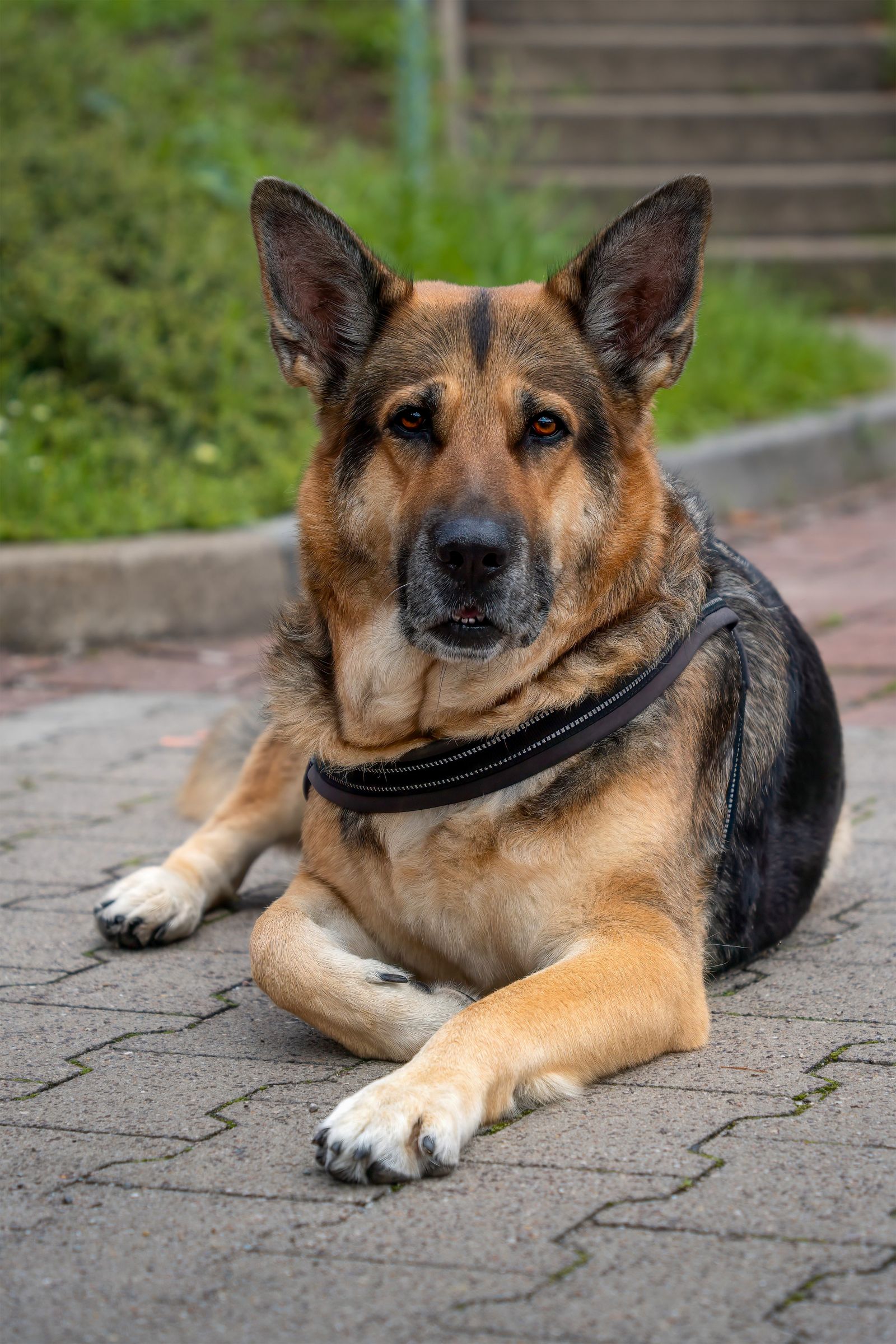
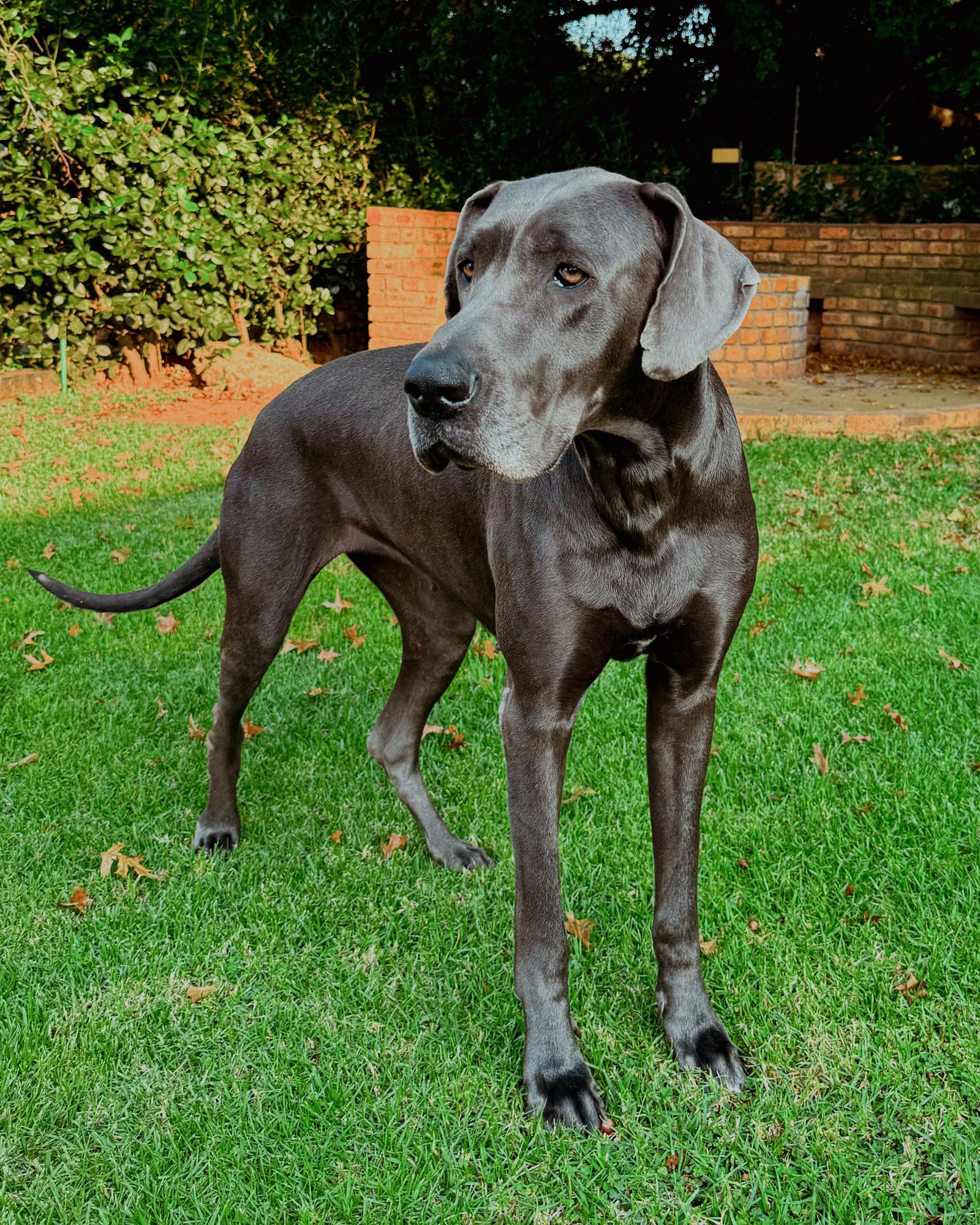
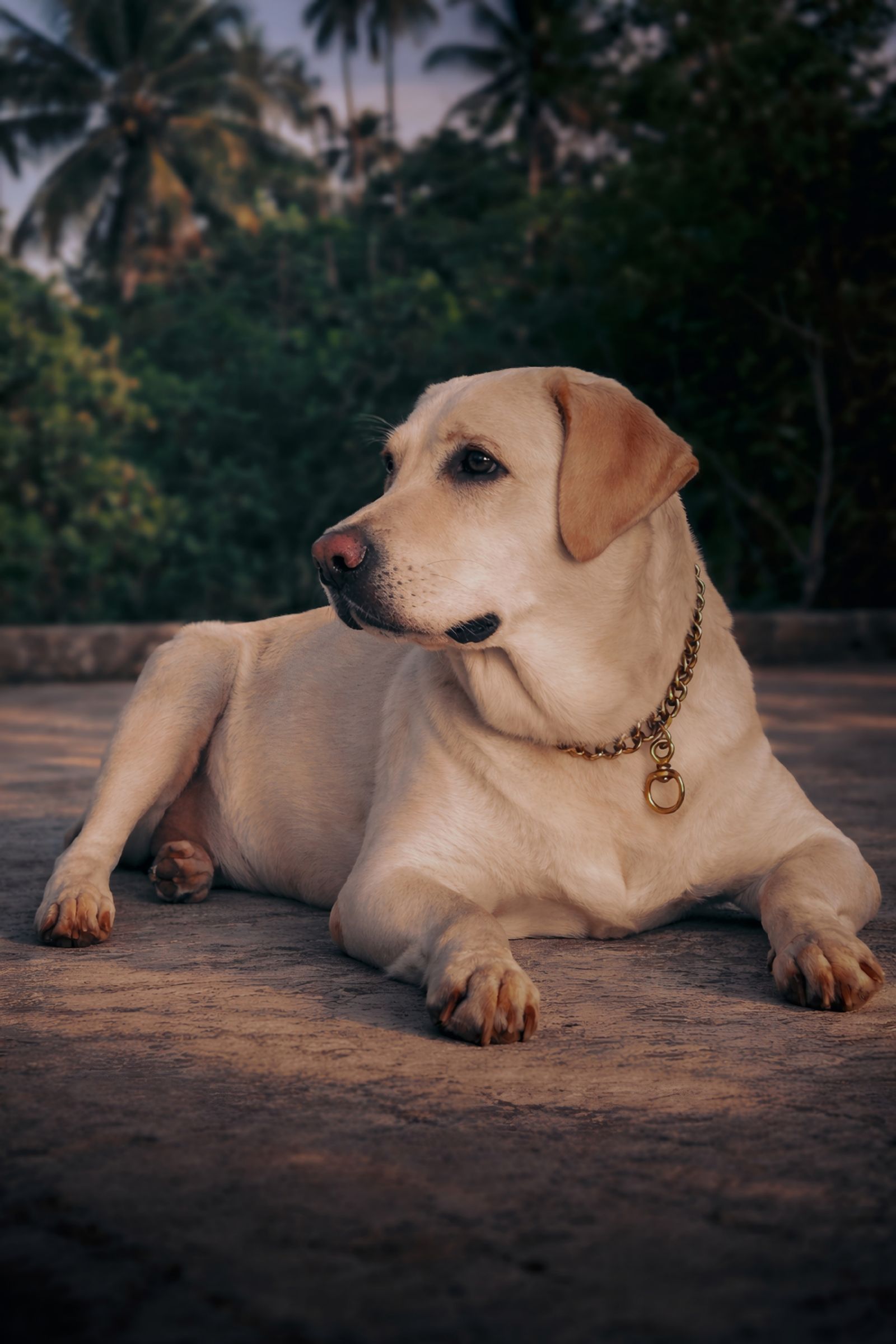
- Genetics comes first. Hip conformation is strongly heritable, and the breeds where it is common are the breeds where it has been inherited through generations. German Shepherds, Labradors, Golden Retrievers, Rottweilers, Bernese Mountain Dogs, Saint Bernards and Great Danes all carry elevated risk.
- Mass. A loose joint carrying 100 lb degrades faster than a loose joint carrying 20 lb.
- Growth rate. Large breeds do enormous growing in a short window, and a skeleton developing that fast is more vulnerable to being pushed off course.
Worth being honest about the balance: genetics is the primary driver. An owner cannot cause hip dysplasia in a dog that was not predisposed to it, and an owner who did everything right can still end up with an affected dog. What environment does is influence how severely a predisposition expresses itself.
The signs appear at two very different ages
This surprises most people. Hip dysplasia tends to present in two waves.
The young dog, roughly 5 to 12 months. This is the joint laxity phase, and it can be dramatic in a dog that looks otherwise healthy:
- A “bunny hop” — both back legs moving together when running
- Reluctance to climb stairs or jump, at an age when they should be unstoppable
- Swaying or loose-looking hindquarters when walking
- An audible click from the hip
- Struggling to rise after lying down
- Sitting with one leg out to the side rather than tucked
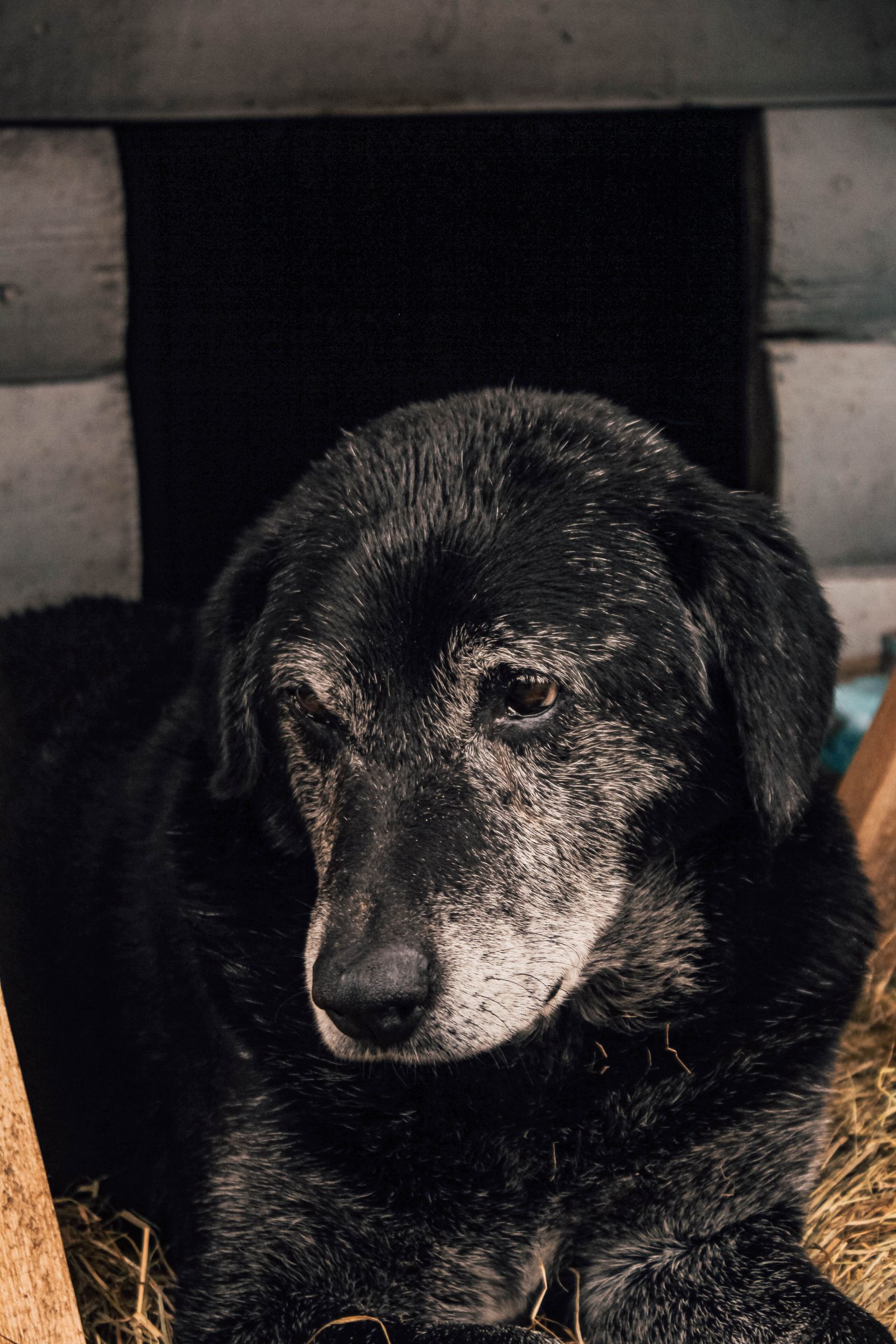
The mature dog, often 6 years and older. Here the signs are the arthritis that developed on top:
- Stiffness that is worse after rest and in cold weather
- Shrinking muscle over the hindquarters, while the shoulders look overdeveloped by comparison — the dog has been shifting weight forward for a long time
- Shorter walks by choice, reluctance at the car
- Pain on having the hips touched
The middle years are often quiet. A dog can look completely normal from one to five and then decline, which is why owners frequently believe it appeared suddenly. It did not.
Diagnosis is a vet and an x-ray
There is no way to assess a hip joint by watching a dog walk, and plenty of other things produce a similar gait — cruciate injury, lumbosacral disease, and in some breeds neurological conditions that need entirely different treatment.
Diagnosis means radiographs, usually under sedation so the hips can be positioned properly. Formal scoring schemes exist — OFA and PennHIP in the US, the BVA/KC scheme in the UK — which grade hip quality on a standard scale. Those scores matter enormously for breeding decisions, and they are the thing to ask about when buying a puppy.
What owners genuinely control

Two things, and one of them only applies before you own the dog.
Growth rate in a large-breed puppy
This is the best-supported environmental factor. Large-breed puppies that grow too fast, or that are overfed into being heavy while their skeleton is still forming, have a higher risk of the condition expressing severely. Excess calcium and unrestricted feeding both contribute.
Practically: feed a food formulated for large-breed puppies, which controls calcium and energy density for exactly this reason, and feed measured meals rather than leaving food down. A large-breed puppy should look lean. A roly-poly giant-breed puppy is not a healthy one, whatever it looks like in photographs. Our large breed food guide covers what to look for on the label.
Exercise in the growth window matters too, though it is easy to over-apply. Free running and play on soft ground is good. Forced repetitive exercise — long jogs beside a bike, stairs run over and over, high-impact jumping — is worth avoiding until the skeleton has finished, which for a large breed is 18 to 24 months.
Weight, for the whole of the dog’s life
The same point as with arthritis, for the same reason: every extra kilo is extra load through a joint that is already compromised. Of everything on this page, keeping the dog lean is the intervention with the best evidence behind it and the one most consistently under-used.
And when buying: ask for the hip scores
If you are choosing a large-breed puppy, this is the single most useful thing you will ever do about hip dysplasia. Ask to see hip scores for both parents. A breeder who screens will produce them readily and will understand the question. One who is evasive, or who says the line “has never had a problem”, is telling you they do not test.
It is not a guarantee — screened parents can still produce an affected puppy — but it shifts the odds substantially, and it is the only intervention that acts on the primary cause rather than the expression.
If your dog already has it
Management splits into conservative and surgical, and which is appropriate is a conversation with your vet, based on the dog’s age, severity and how much pain they are in.
Conservative management is what most dogs get: weight control, prescribed pain relief, controlled low-impact exercise to maintain the muscle that supports the joint, and physiotherapy or hydrotherapy where it is available. Done properly it keeps many dogs comfortable for years.
Surgical options exist and are real. They range from procedures done in young dogs to alter how the joint develops, through to total hip replacement in mature dogs, which can be genuinely transformative for a severely affected animal. They are specialist work, expensive, and not right for every dog — but a dog whose pain is not controlled conservatively deserves the conversation rather than being managed indefinitely.
The day-to-day environment matters as much here as it does for any arthritic dog: footing, sleeping surface and removing jumps. Our arthritis guide covers that ground in detail rather than repeating it here.
What treatment actually costs
Nobody puts this in an article about hip dysplasia, and it is the thing owners
most want to know once the x-rays come back.
There are two common surgeries, and the cheaper one is not the one most large
dogs need.
- Femoral head ostectomy (FHO) — roughly
$1,200 to $2,500 per hip, sometimes to $3,500. The head of the
femur is removed and the body forms a false joint. It manages pain well, and it
suits lighter dogs best. - Total hip replacement (THR) — roughly
$3,500 to $7,000 per hip, and $7,500 to $12,000
at a referral hospital. The joint is replaced with an implant. It restores the
most normal function, and for a heavy dog it is usually the procedure that
actually works.
All in — consult, imaging, bloodwork, anaesthesia, hospitalisation,
post-op x-rays and rehab — one hip commonly lands somewhere between
$4,000 and $14,500. Dysplasia is frequently bilateral, and two
hips replaced runs $10,000 to $14,000.
Read that against the breed lists earlier in this article. The dogs most prone
to hip dysplasia are the ones for whom the affordable surgery is the poorer
option. That is an unpleasant piece of arithmetic and it is better known early
than discovered in a consulting room.
Where insurance fits, and the exclusion that decides it
Pet insurance does not cover a condition your dog already shows signs
of. Every provider excludes pre-existing conditions, and a limp your vet
noted last year counts. If you are reading this because your dog is already
stiff, insurance is almost certainly not the answer to this particular bill, and
anyone telling you otherwise is selling something.
Where it genuinely changes the outcome is the opposite case: a large-breed
puppy, insured before anything is wrong. Hip dysplasia is one of the
most common expensive claims in big breeds, and a policy taken out at eight weeks
covers a diagnosis at eighteen months. That is the window, and it closes quietly.
Two things worth checking in any policy, because they are where the money
actually is:
- Annual and lifetime limits. A policy capped at $5,000 a year
does not cover a $12,000 bilateral replacement. - Whether hereditary and congenital conditions are included.
Hip dysplasia is hereditary. Some cheaper policies exclude exactly that category,
which removes the main reason a large-breed owner would buy one.
And the unglamorous alternative: a dedicated savings account started the week
the puppy arrives. For a dog that never develops the condition, that money stays
yours — which is not true of premiums.
What helps at home
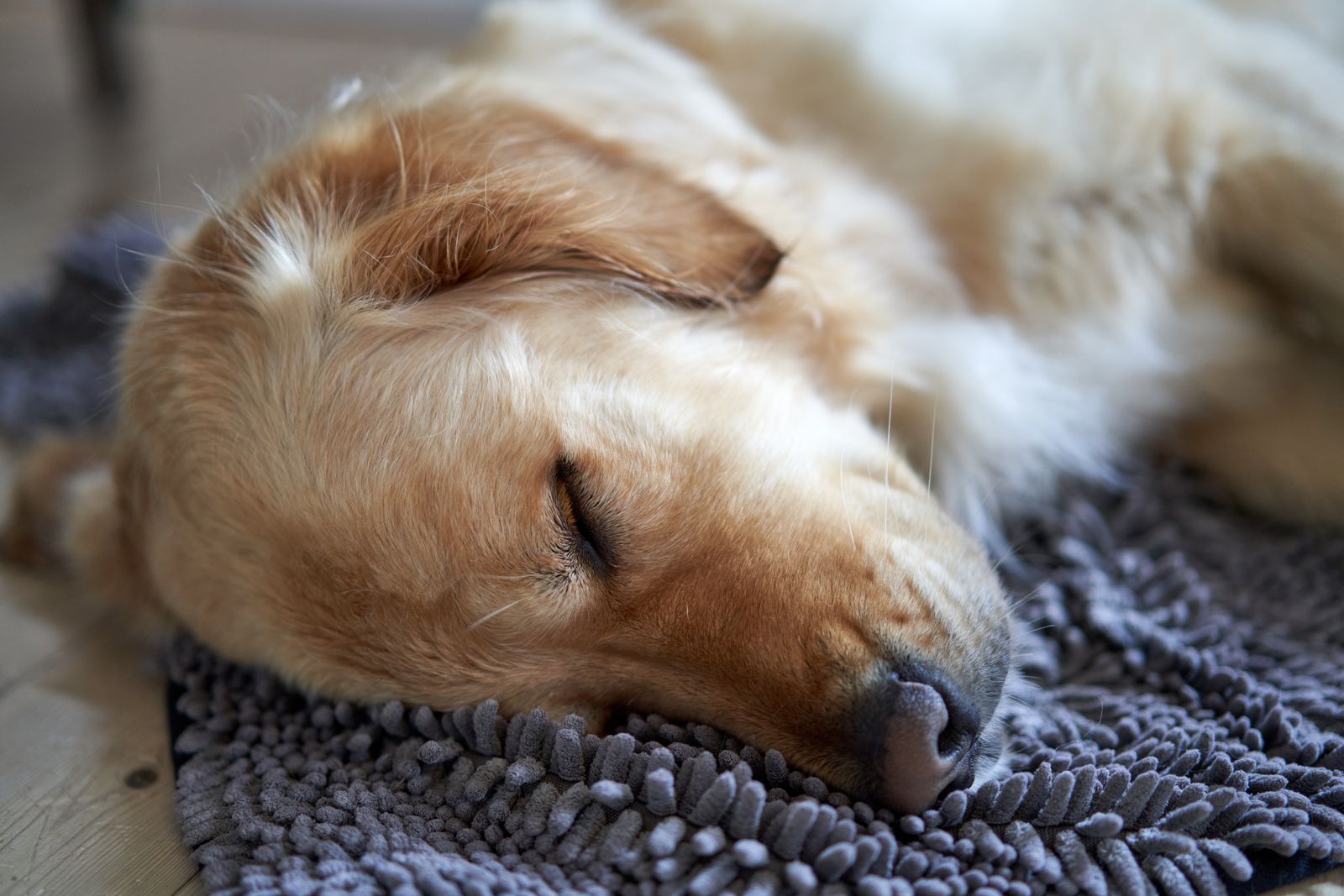
Three things earn their place for a dysplastic dog:
- A proper bed. A dog with bad hips on a hard floor stiffens overnight. Genuine orthopedic foam of adequate depth is one of the few purchases that makes a daily difference — see our orthopedic bed guide.
- Traction. Smooth floors force a dysplastic dog to brace and scrabble, which loads the exact joint that hurts. Runners along the routes they actually use change more than most products.
- A ramp instead of a jump. Getting in and out of the car is the highest-impact thing most dogs do daily. Our ramp guide covers incline and capacity.
Joint supplements come up constantly here. The honest position is the same as for arthritis: mixed evidence, generally low risk, not a treatment. Our joint supplement guide goes through what each ingredient is claimed to do.
The short version
- Dysplasia is a developmental joint fit problem. Arthritis is what it becomes.
- Signs cluster at 5–12 months and again after about 6 years. The quiet middle fools people.
- Diagnosis is radiographs and a vet. A gait alone tells you nothing definitive.
- Genetics leads. Owners influence expression, not the underlying predisposition.
- Keep a large-breed puppy lean and growing steadily, on large-breed puppy food.
- When buying, ask for hip scores on both parents. It is the highest-value thing you can do.
- If your dog is affected and conservative management is not holding, ask about surgery.